which food is high in carbohydrates 14 foods rich in carbohydrates that you must eat
Carbohydrates: Fueling Your Body with Energy Carbohydrates are often misunderstood in the world of nutrition. Some individuals view them as the enemy, while others embrace them as a vital part of a balanced diet. The truth lies somewhere in between. Carbohydrates serve as the primary source of energy for our bodies, making them an essential macronutrient. In this post, we will explore what carbohydrates are, why we need them, and how much we should consume. Firstly, let’s clarify what carbohydrates actually are. Simply put, they are one of the three macronutrients present in our diet—the others being proteins and fats. Carbohydrates are found in various forms, including sugars, starches, and fibers. They are primarily derived from plants, such as grains, fruits, and vegetables. When we consume carbohydrates, our bodies break them down into glucose, which is then used as fuel to power our cells and organs. Carbohydrates provide quick energy bursts, making them especially important for individuals who engage in physical activities or sports. They are like the high-octane fuel that keeps your body running smoothly. However, not all carbohydrates are created equal. Some are highly refined and offer little nutritional value. These are commonly found in processed foods like sugary drinks, pastries, and white bread. On the other hand, healthy carbohydrate sources include whole grains, legumes, fruits, and vegetables. These contain essential nutrients, such as vitamins, minerals, and dietary fibers, that are beneficial to our overall health. Now, let’s address the common debate surrounding carbohydrates — should we eat them? The answer is a resounding yes! Carbohydrates are an integral part of a well-rounded diet. Eliminating them entirely can lead to an inadequate intake of essential nutrients. However, the key lies in choosing the right type and quantity of carbohydrates. It is recommended that about 45-65% of our daily caloric intake should come from carbohydrates. This can vary based on factors such as age, sex, activity level, and overall health. When selecting carbohydrates, opt for complex carbs over simple ones. Complex carbohydrates, found in whole grains, take longer to digest and provide a sustained release of energy throughout the day. They are also high in fiber, which aids in digestion and helps maintain a healthy weight. Simple carbohydrates, such as those found in candies, sodas, and desserts, are quickly absorbed, causing a rapid spike in blood sugar levels. This can lead to energy crashes and cravings, making it harder to maintain a balanced diet. It’s important to find balance in our carbohydrate consumption. Too much or too little can have negative effects on our health. Overindulgence in refined carbohydrates can contribute to weight gain, diabetes, and other chronic diseases. Meanwhile, a very low-carb or no-carb diet may result in nutrient deficiencies and low energy levels. Moderation, as always, is key. To ensure a healthy carbohydrate intake, focus on incorporating a variety of whole foods into your diet. Start your day with a hearty breakfast that includes whole wheat toast or oats. For lunch and dinner, opt for whole grain options like brown rice or quinoa alongside a generous serving of vegetables. Fruits can serve as a delicious and nutritious snack, providing natural sugars and fiber. Remember to choose the rainbow of colors when selecting your fruits and vegetables as each color represents different vitamins and minerals. In conclusion, carbohydrates are an essential part of a balanced diet. They provide the energy our bodies need to function optimally. However, it is crucial to select the right type and quantity of carbohydrates. Opt for complex carbohydrates over simple ones, and always prioritize whole foods over processed options. By doing so, you can fuel your body with the nutrients it needs and achieve a healthy and sustainable lifestyle.
If you are looking for Carbohydrates Explained: Should We Eat Them? If so, How Much? you’ve came to the right page. We have 5 Pics about Carbohydrates Explained: Should We Eat Them? If so, How Much? like 14 Foods rich in Carbohydrates that you must eat - Healthifyme, What are Carbohydrates? and also Foods High in Carbohydrates Stock Photo - Image of lentil, food: 126293998. Read more:
Carbohydrates Explained: Should We Eat Them? If So, How Much?
 www.uchealth.comcarbohydrates carbohydrate good nutrition eat health should haylee hannah provided answers rd common month both bad questions national during
Carbs: The Good, The Bad, And The Ugly - Living Healthy
 blog.lafitness.comgood carbohydrates carbs complex healthy bad ugly
14 Foods Rich In Carbohydrates That You Must Eat - Healthifyme
 www.healthifyme.comcarbohydrates foods rich eat carbs must healthifyme
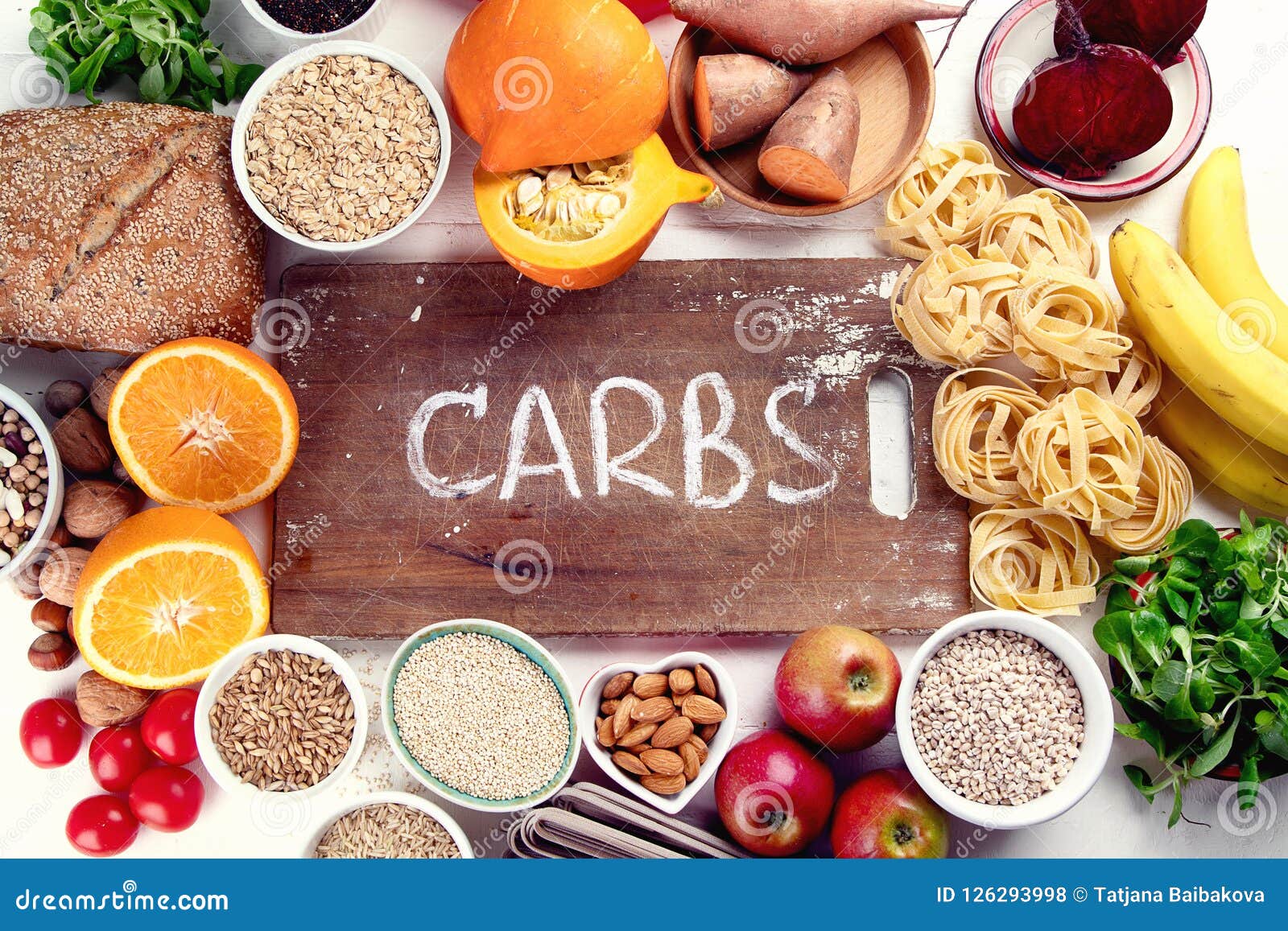
Foods High In Carbohydrates Stock Photo - Image Of Lentil, Food: 126293998
 www.dreamstime.comcarbohydrates foods high food grain preview
What Are Carbohydrates?
 www.mindpumpmedia.comcarbohydrates nutrition shutterstock
Carbohydrates explained: should we eat them? if so, how much?. Carbohydrates foods high food grain preview. 14 foods rich in carbohydrates that you must eat